
Capabilities
Xoidlabs Video Studio turns a scene into a cinematic shot, with sound. Brief it the way a director briefs a camera team, or start from a single frame.
Made with the studio
Frames from clips made from a written description alone. Every one is a moving shot with its own sound.
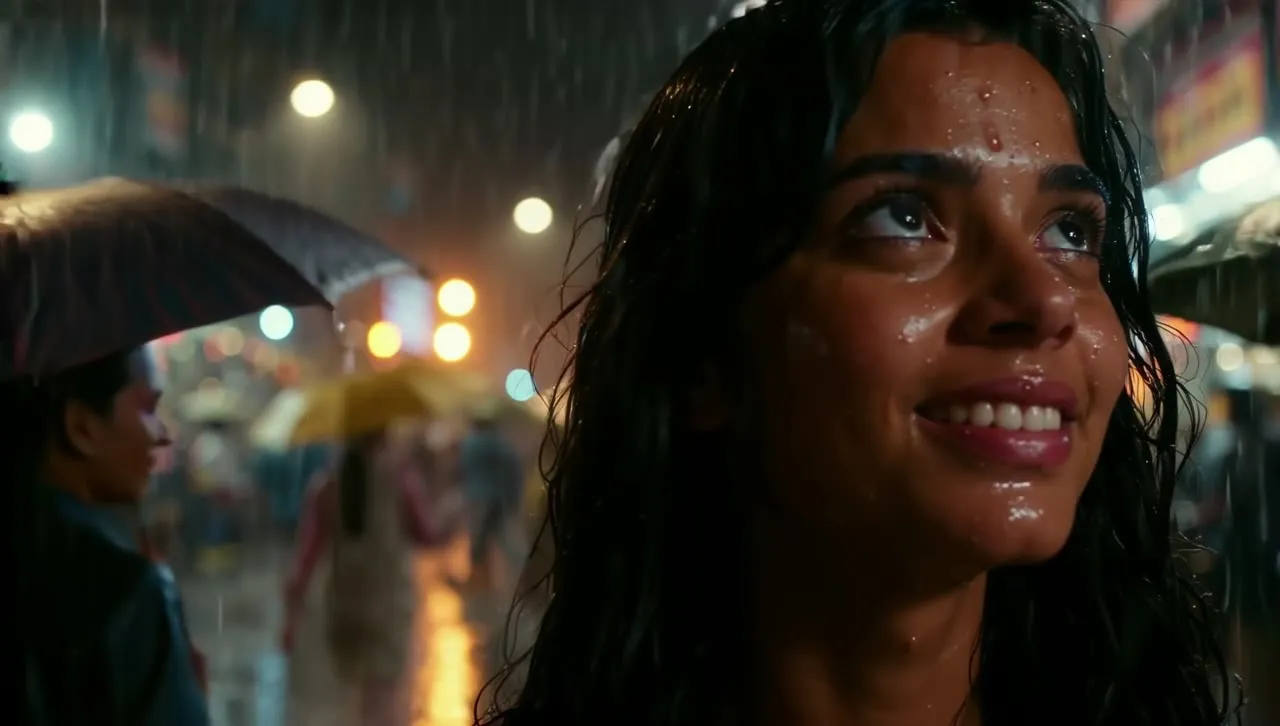
Monsoon night in Mumbai: rain on her face, umbrellas and shop lights behind. 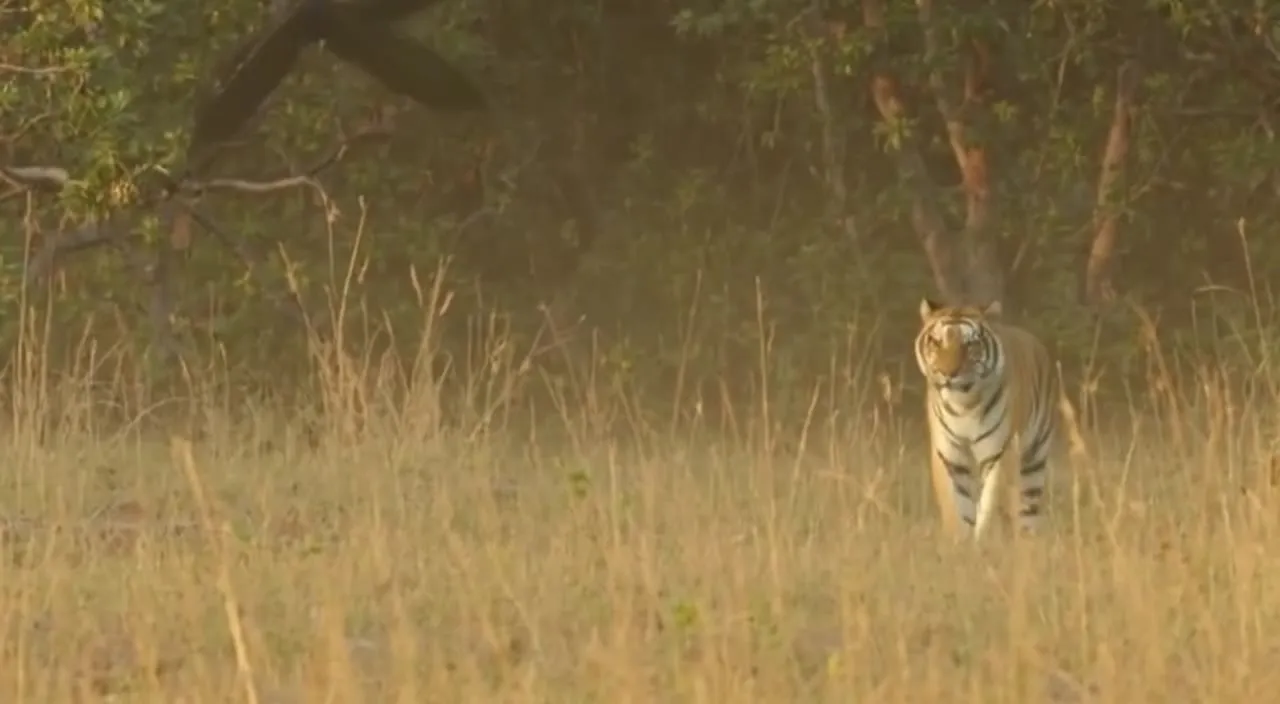
At dawn, a tiger steps out of the tall grass and looks straight at us. 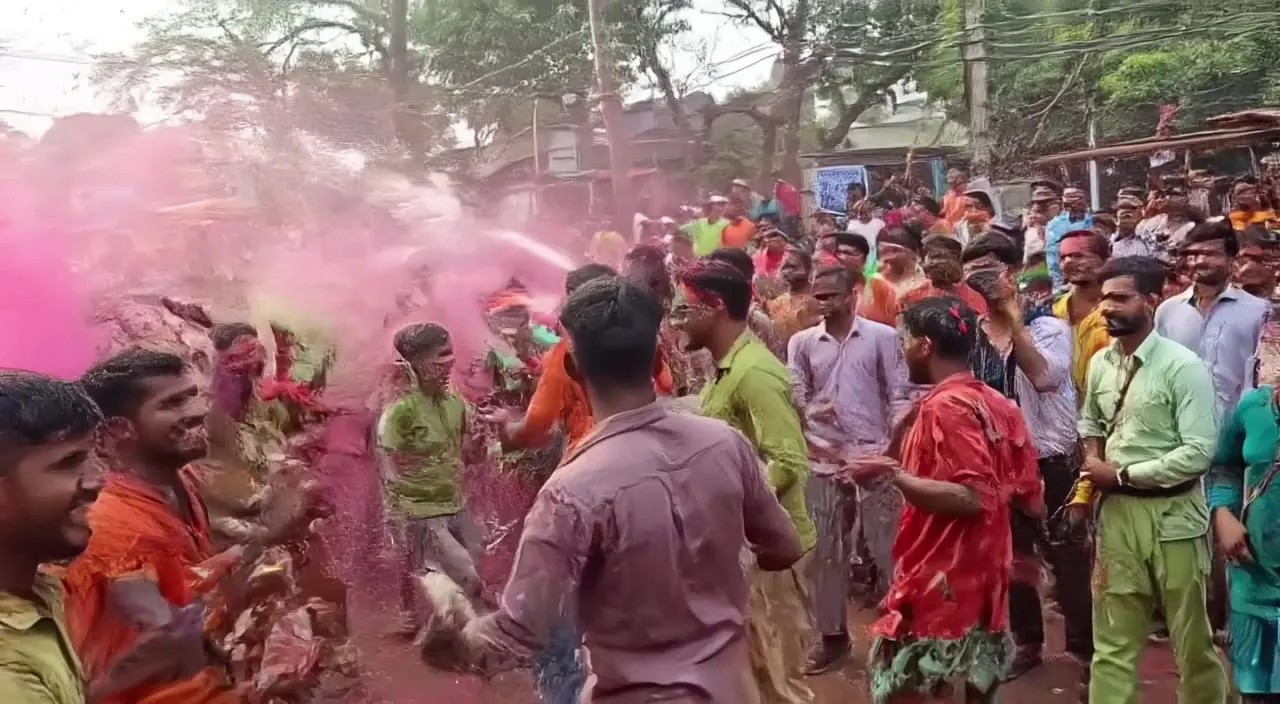
Holi in a Kolkata lane: colour, a water jet, a crowd dancing to drums. 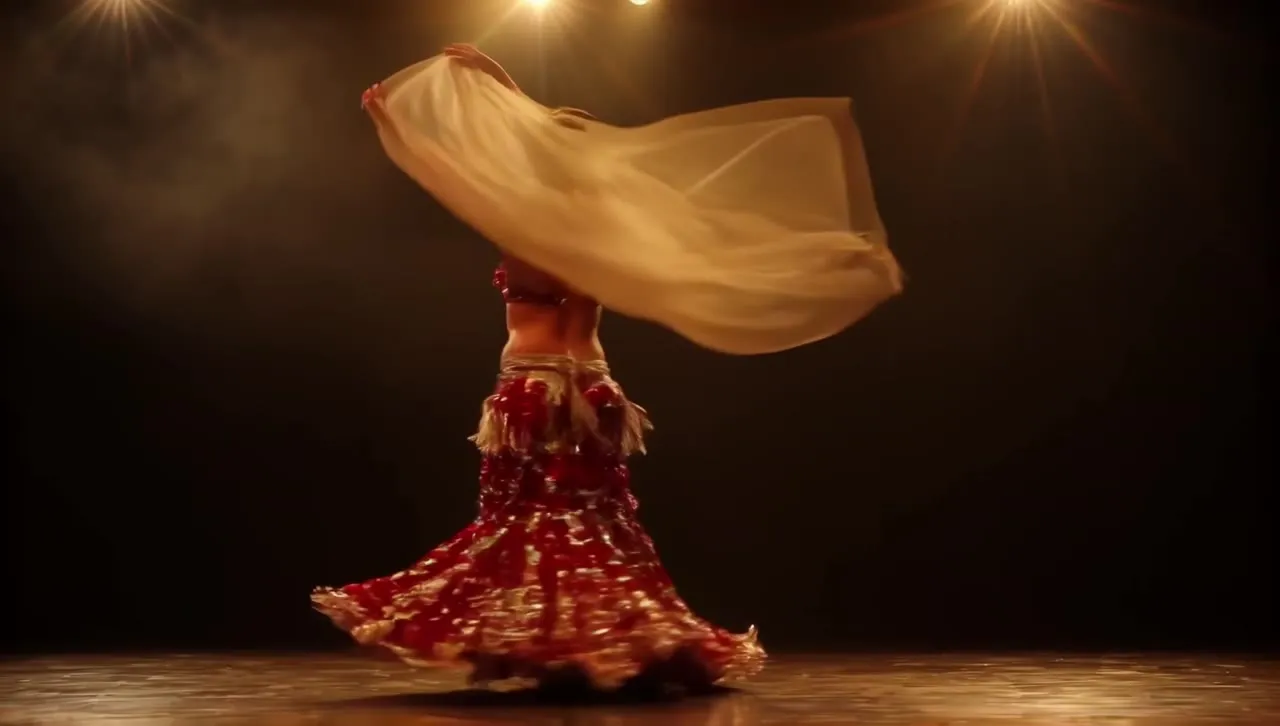
A belly dancer on a dark stage, her veil turning in the spotlight. 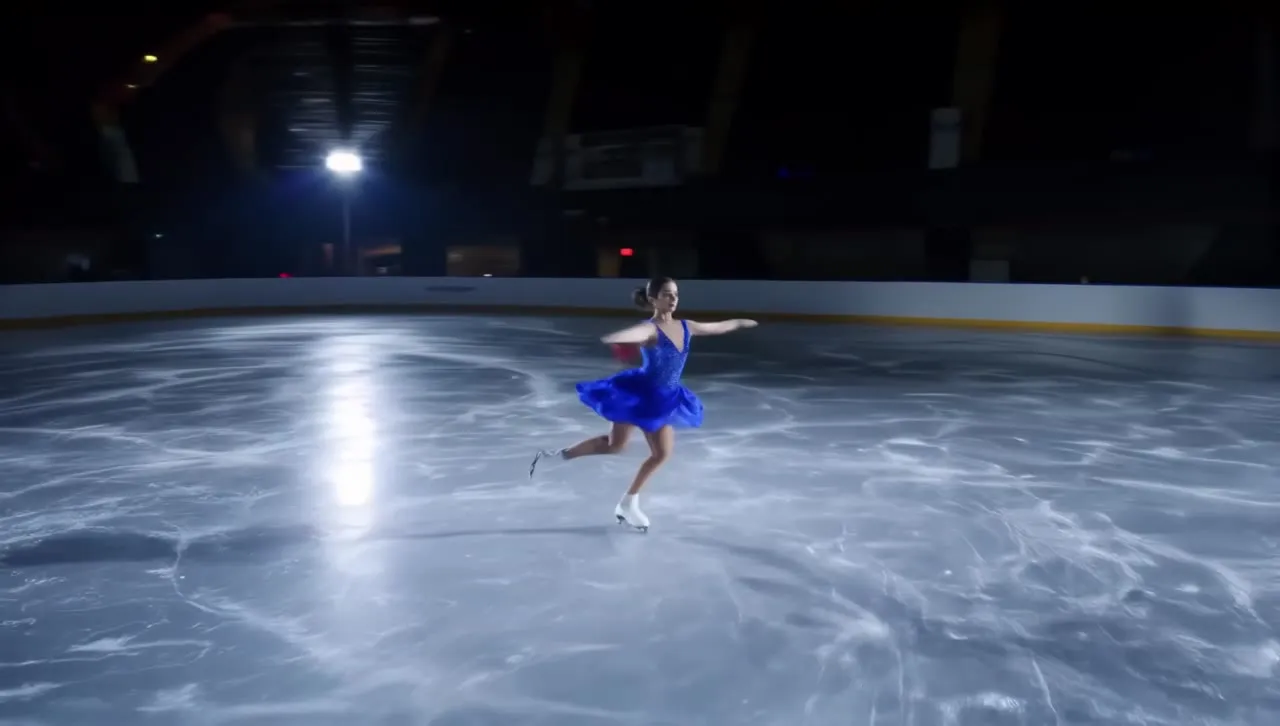
A figure skater mid-spin on an empty rink. 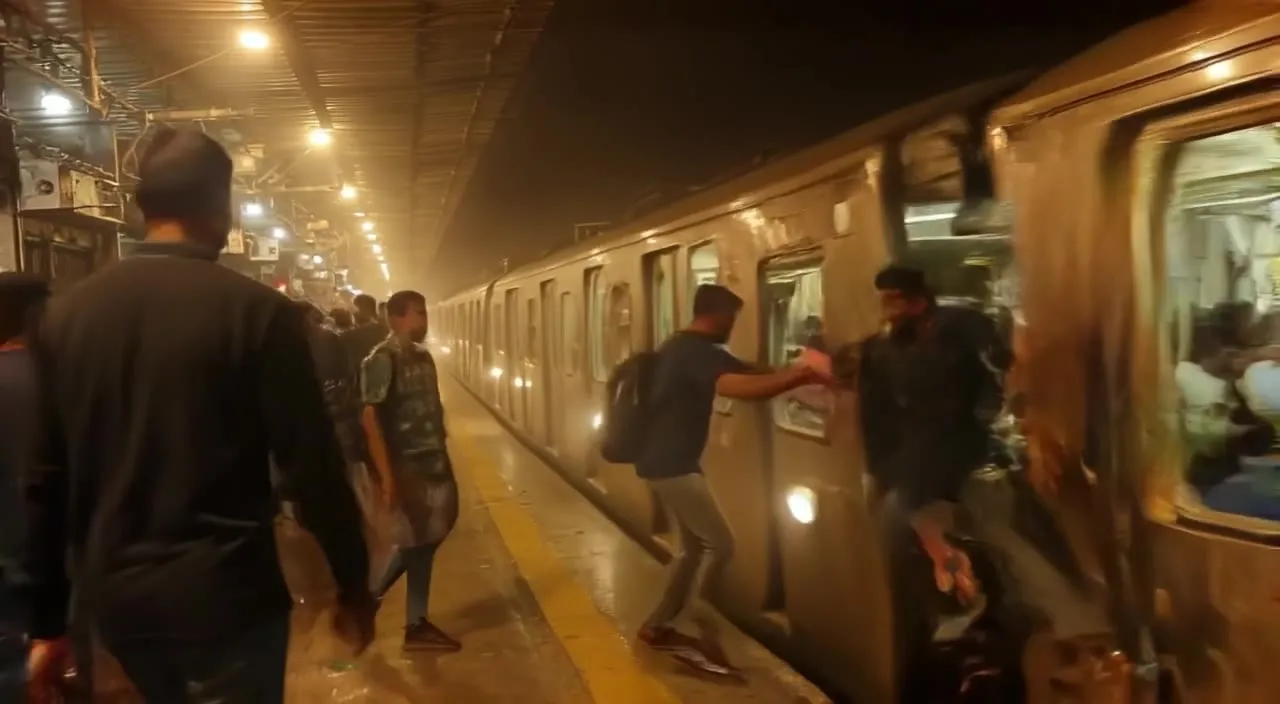
Evening rush on the platform as commuters crowd the doors of a local.
The model behind it
Ours. Trained by us, on footage we choose.
Every round of training teaches it more of what filmmakers actually ask for. It's built to work for anyone, anywhere, and it understands India especially well.
What makes it different
A model of our own
Trained in-house, round after round, on cinema we choose. We decide what it learns, and what it learns next.
Fluent in shot language
It learned from footage logged the way a camera team would: shot size, performance, camera move, light. Ask for "close-up, she holds back tears, slow push-in, cold blue light" and it reads every part of the brief.
Photographic realism
Skin with texture, streets with history, light that behaves like light. Nothing waxy, nothing too clean.
Sound in the same take
Every shot arrives with its own soundscape: footsteps, crowds, rain, score, dialogue. Characters speak Hindi, Bhojpuri and Sanskrit.
Rooted in India, at home anywhere
Bazaars, villages and ghats. Holi, Durga Puja, Onam, Pongal, and the full volume of an Indian wedding. Just as fluent in a Paris café or on a California coastline.
Choreography, by name
Bharatanatyam, Kathak, Odissi, Kuchipudi, Garba, Bhangra, belly dance, ballet, hip-hop. Name the form and the footwork, costume and mood follow.
Wildlife and weather
A tiger in tall grass, elephants fording a river, monkeys on temple walls. Monsoon, storm, waterfall, mist. Animals move with real weight and instinct.
The rhythm of the street
A Mumbai local at rush hour, autos threading through traffic, boats on the Ganga at evening aarti, street food over a hot tawa.
Where stories actually happen
Most drama plays out indoors, so it learned the rooms: homes, family dinners, offices, classrooms, hospitals, restaurants, temples. Then the city at night, the concert crowd, and faces of every age.
Wardrobe that drapes
Runway walks, and sarees, lehengas and sherwanis that fall and move like real fabric, never like costume.
Movement with weight
Running, leaping, fighting, riding, skating. Learned from real bodies, so action lands instead of floating.
One line becomes a full shot
Write "a woman dances Bharatanatyam" and the built-in prompt assistant expands it into a complete brief: framing, performance, camera and light.
Bring a still to life
Start from a frame of your own. It moves, and keeps the look, the wardrobe and the world you gave it.
Fifteen seconds, unbroken
A single continuous take: a rider charging the lens, a dancer who never breaks, rain that keeps falling, with the sound carried all the way through.
Clean, traceable data
Every clip it learned from is accounted for. Footage shared by partners stays private.
Before and after
Same picture, same idea. Left: the model before our training. Right: what it makes now.
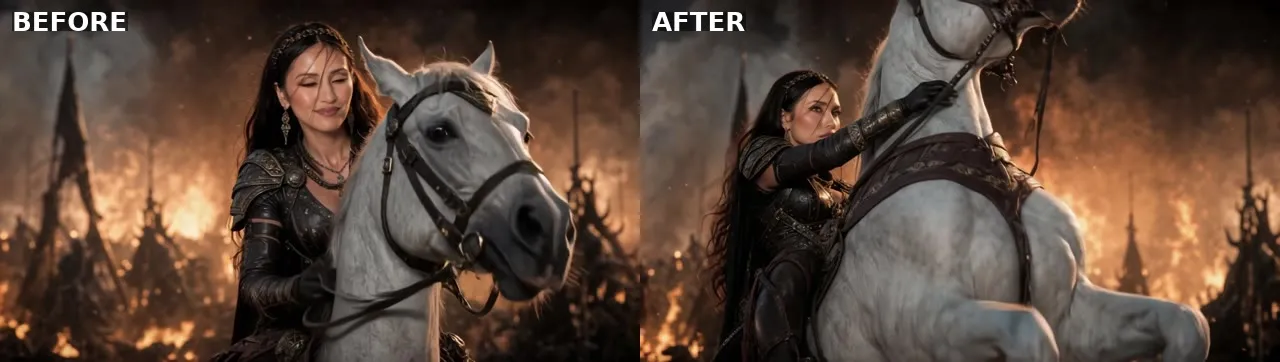
"She rears the horse up." Before, the horse just stood there. Now it rises on its hind legs, the rider in control. 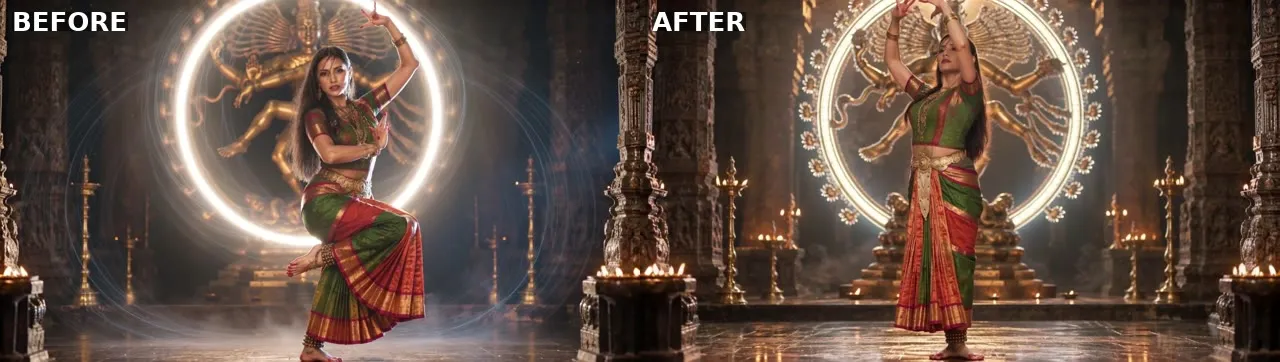
A Bharatanatyam dancer from a still. Before, she stayed frozen while rings of light appeared around her. Now she dances. 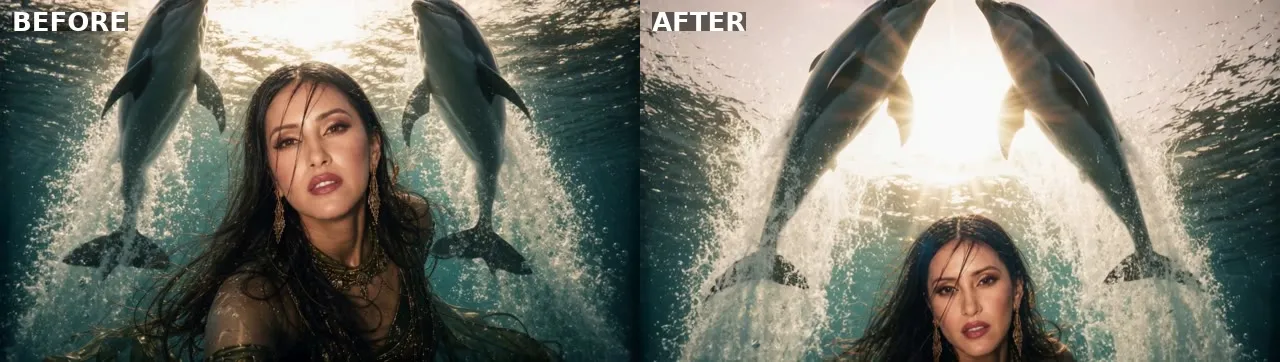
"Dolphins leap out of the water behind her." Before, nothing moved. Now they jump. 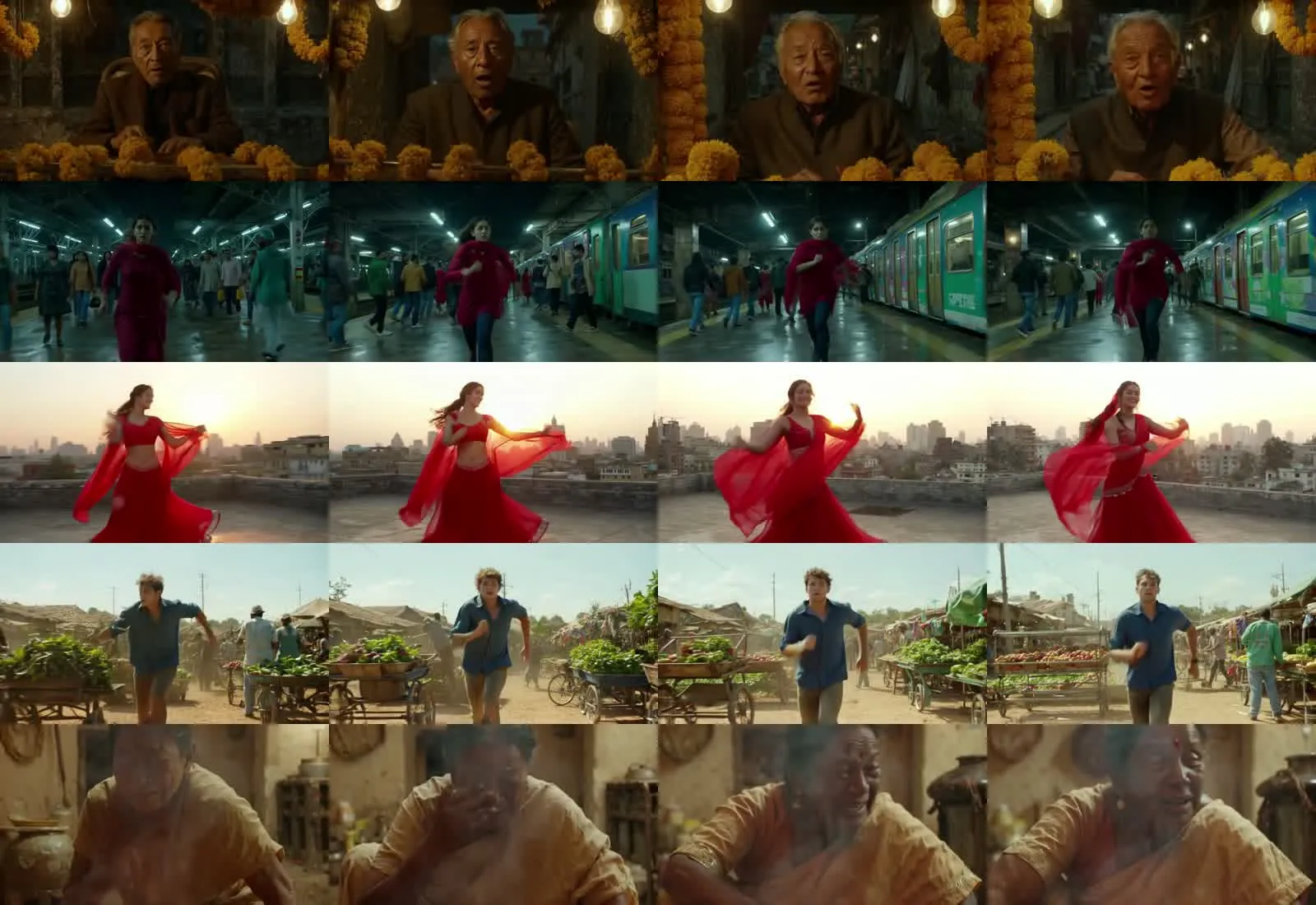
Five scenes, before (left) and after (right). The woman on the platform actually runs, the village kitchen is sharp and full of feeling, and the dupatta swirls as she dances.
What people make with it
- Directors and writers
- Try a scene before shooting it: framing, mood, camera move and light, changed in minutes.
- Script-to-screen tools
- A writing tool creates the scene and its key frame; our model turns that frame into a moving shot with sound.
- Micro-dramas and web series
- Establishing shots, crowds, festivals and B-roll that would otherwise cost a shoot day.
- Brands and agencies
- Ad concepts and social video in landscape, vertical for Reels and Shorts, or square.
- Music and dance creators
- Classical and folk dance, stage performances and festival moments.
- Travel and food creators
- Destinations, river and train journeys, street food and kitchen moments.
- Documentary makers
- Wildlife, weather and landscapes that are hard or slow to film for real.
- Storytellers
- Build a scene shot by shot: pick the best take, redo what isn't working, and join the shots into one film.
How we teach it
Real footage, new every round
Streets, people, dance, sport, festivals, animals, everyday life. Each round adds something it didn't know before.
Written up like a shot list
Every clip is described the way a director would. Camera moves aren't guessed; we measure them from the footage, so "slow push-in" means a real slow push-in.
India first, never India only
Indian and global footage, mixed, so it feels at home in a Kolkata lane and a Tokyo street.
Filtered hard
No text or logos, nothing blurry or dark, nothing that isn't real camera footage. It only learns from clean, real shots.
What's coming next
- Bollywood song-and-dance, and the looks of history and myth: Ramlila, Kathakali, Theyyam, palaces, forts and sword fights.
- Action and effects: fire, smoke, explosions, stunts and fireworks.
- Every region of India, from Assam, Kerala and Rajasthan to Kashmir, Bengal, Nagaland, Punjab, Goa, Ladakh and Sikkim.
- Hands at work: potters, weavers, blacksmiths, bakers, and musicians on tabla, sitar, flute and drums.
- Time-lapse and slow motion: clouds racing over a city, sunsets, night traffic, moments slowed right down.
- Studio mode: build a scene shot by shot, choose the best take, retake with changes, and join it all into one film.
- The same character across every shot of a scene, and richer acting and dialogue from Indian performers.
Have a scene in mind?
Describe it in a line. We'll show you what the studio makes of it.
Bring us your idea